For the long Martin Luther King, Jr. weekend, western PA was warned we were going to have a snowmageddon – grocery store shelves were ransacked, bread became a precious commodity, and everyone hunkered down preparing for the worse…which ended up being (for my area) about an inch of snow and some icy roads – not too bad.
Because I prepared to not leave my house this weekend with the weather, I decided to revisit an arch nemesis of mine: The yarn hank. I have battled with hanks before with mixed results, and I was determined this time was going to be better. (SPOILER: It wasn’t).
As I struggled with my unruly hank, I pondered why do we need hanks? What makes them necessary? Are they just a throwback to a prior age? Why can’t I just have this in a skein, like 99% of my yarn?
The answers vary, but I think at the end of my research, I came up with some interesting answers/thoughts.
What the heck is a hank?
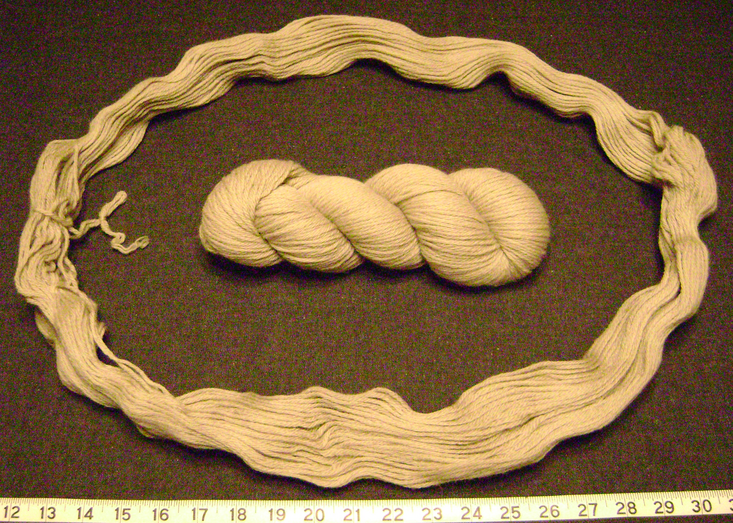
A hank is reminiscent of an infinity or a figure eight. The problem with a hank is that a crocheter (or knitter) isn’t able to just find the end and start working from this as they might be able to with a conventional skein of yarn. Before any hook or needle is set to this fiber, the hank must be disassembled and wound into a ball.
If you have a specialty yarn store in your area that sells hanks, they may offer their services to transform hank into a workable ball. If you do not have a service like that available, then you might have to do this yourself.
Who needs a hank?
From what I can see, the types of yarns that are sold in hanks are specialty fibers or handmade fibers. That’s great, but why do they need to create extra work for us poor fiber artists who can’t figure out what end is up with these contortions?
Some theorize that hanks are best for these specialty fibers because they can better show textures and any variegation in color. Being able to see the fibers in a hank display gives a crafter a better understanding of what they are going to have.

Some thought is that by using the hank’s unique shape, which allows each piece to lay flat, the yarn can be stored and shipped easier; although if that was really the case then all yarns would be stored and sold in hanks. So, that is a good theory, but I don’t put a lot of stock in it.
The theory that I put the most faith in relates to the material in the hank. For the vast majority of yarns sold in hanks these are more high end fibers: merino, silk, alpaca, hand dyed. By loosely winding the yarn into the hank, the fiber can rest without being bound tightly, which could cause kinks and knots.
Because of the effort involved in unwinding a hank, most crafters do not create the ball(s) until they are ready to actually use the yarn – this means the yarn isn’t constricted into the ball for as long and has more of a chance to provide a smoother finish.
There are some fiber artists that just prefer the hank storage style versus a skein because there is no “yarn barf” and they are in control of how big each ball is – which could be helpful if you wanted to make bobbins, or have multiple balls of the same fiber to create a corner to corner blanket.
Hank 1, Me 0
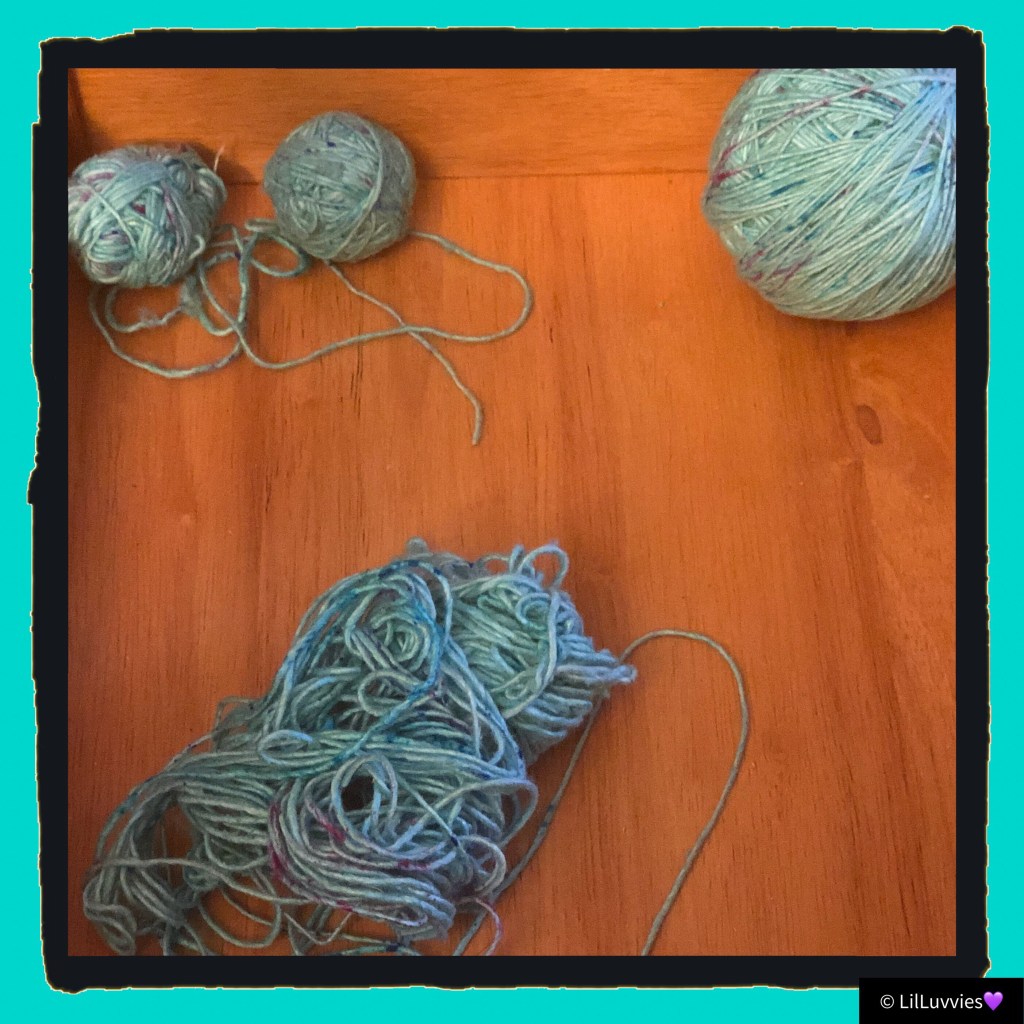

With a snow day on the agenda I decided to try to fix a hank of yarn I had previously tried (and failed to unwind).
The best advice for handling a hank says that you need to unroll the yarn until it is in a big circle, and then either have friends hold the sides of the circle, or turn a chair upside down to use the bottom to keep the yarn from getting tangled.
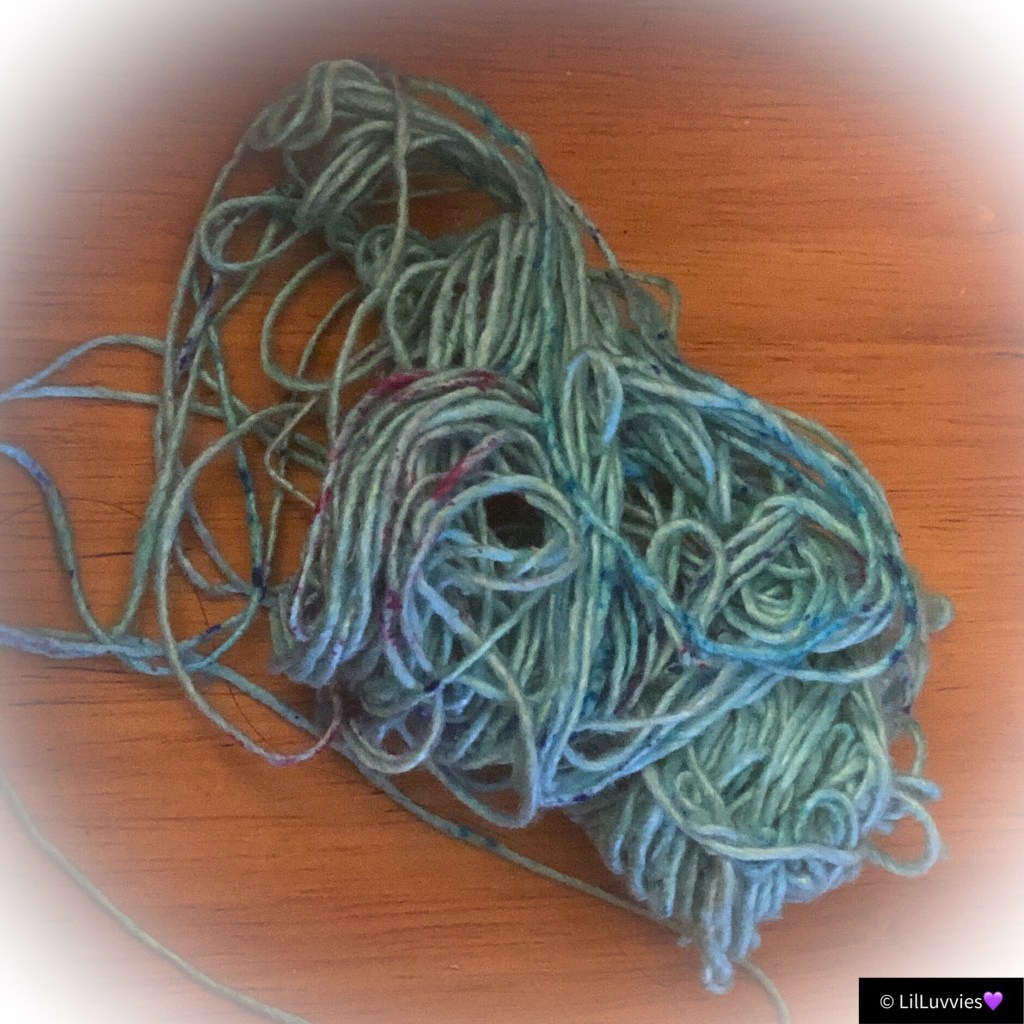
When I first started working with this yarn, I decided using my feet to wrap the yarn around was sufficient enough…it wasn’t, and I ended up with a huge tangle. So, of course with the huge tangle I got frustrated and threw the yarn (which I think is a silk blend a friend got for me) into a crumpled heap.
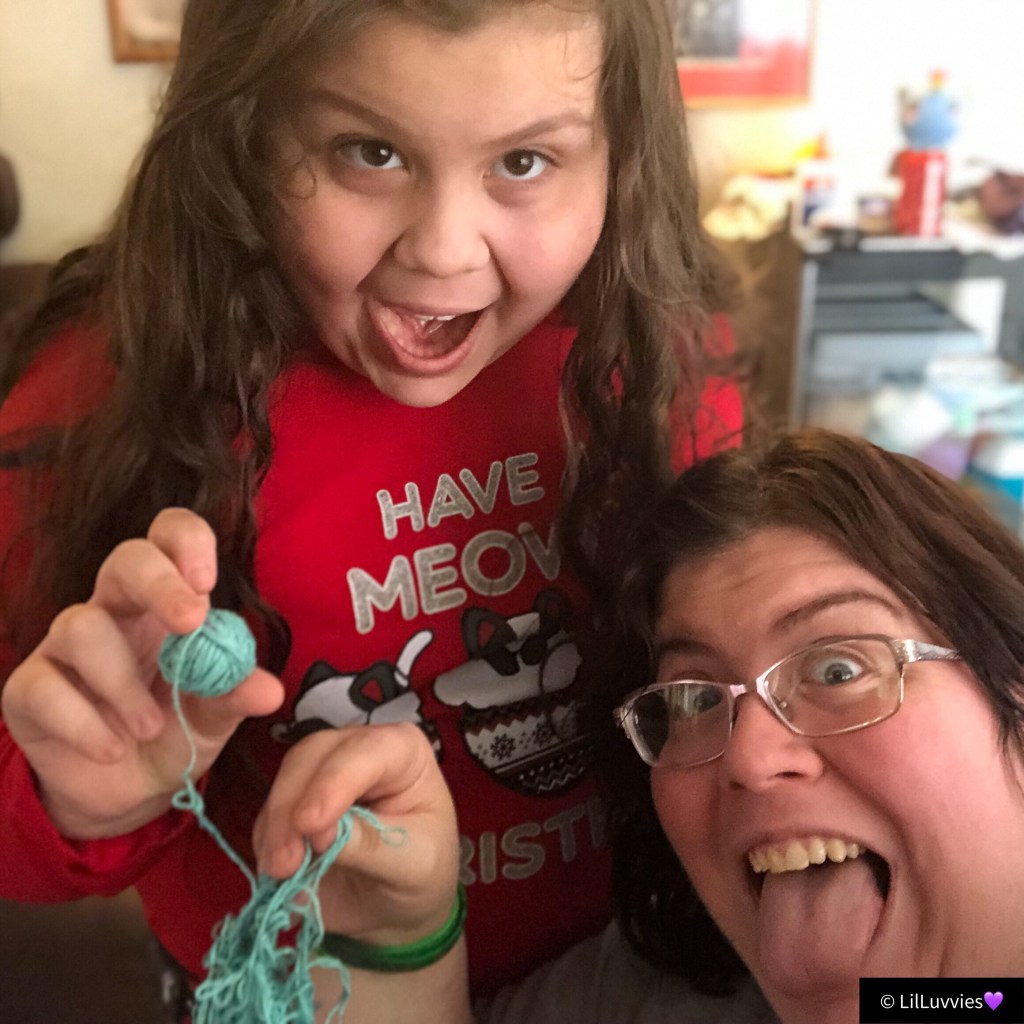
I conscripted Desi to help me try to make sense of the yarn and to get this smoothed out into a workable ball. After three hours (I was nothing if not persistent) of struggling and not making much progress, my husband finally asked how much was I really going to lose? The stubborn part of me insisted I didn’t want to lose anything, I was going to unravel this hank and it was going to be perfect. The side of me that wanted to be done playing with the yarn so that I could actually work with the yarn said – you know he might be right.
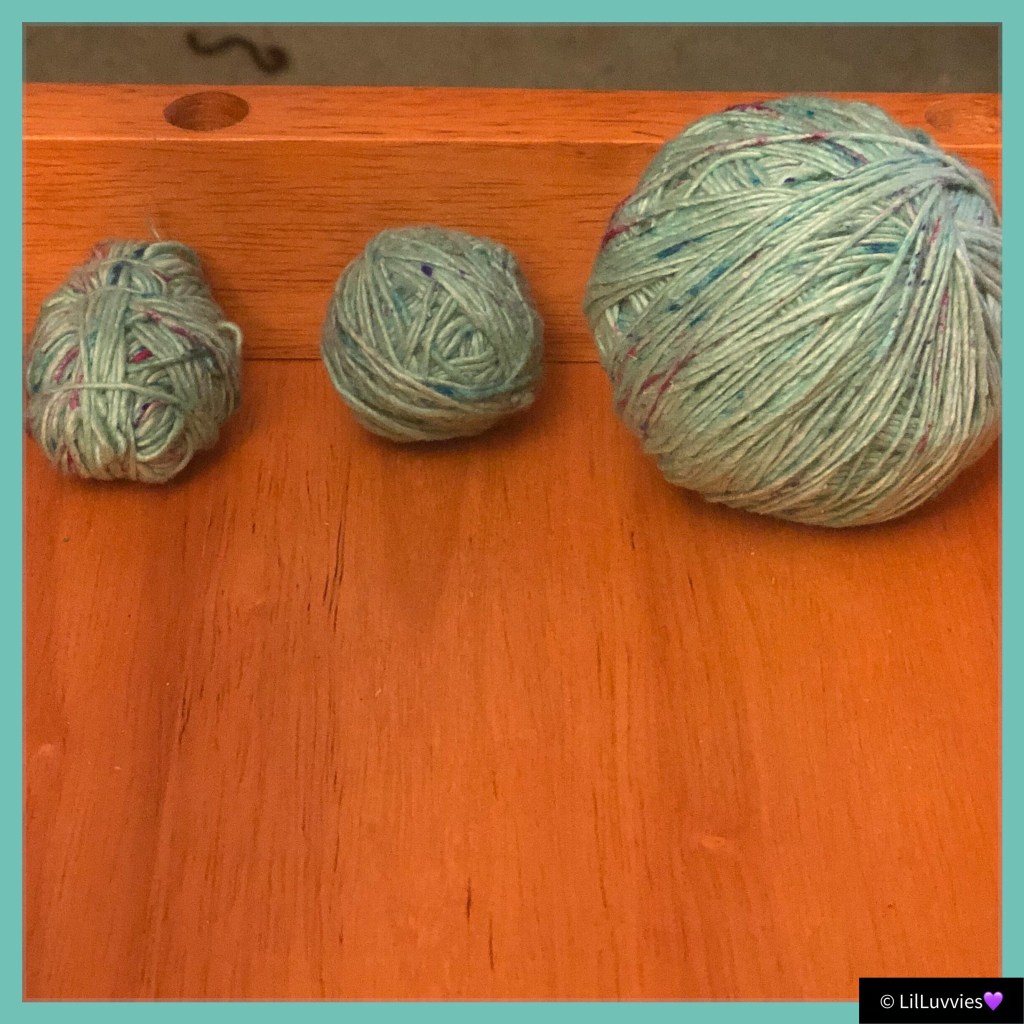
In the end, I cut my losses (literally), and lost some yardage from my hank, but I was still able to come up with three balls of workable yarn. The hank still won this encounter, but I hope that I learned some valuable lessons for the next time we meet: One of these lessons is my feet will not work as a hank unraveling device. The other lesson is that for people with limited patience (such as myself) probably buying yarn in hanks is not the way to go. I still have one or two of the finicky fiber folios hanging around that were gifted to me, but I think I’m going to go in my corner and lick my wounded pride before I attempt that again.
Hugs and cuddles,
Elisha
 Lil' Luvvies